
Understanding the psychological effects of gambling in a casino environment
The Allure of Gambling: Psychological Triggers
The psychological appeal of gambling in a casino is deeply rooted in human behavior and cognitive processes. The bright lights, enticing sounds, and the atmosphere of excitement contribute to an immersive experience that attracts many individuals. This environment capitalizes on various psychological triggers, such as the thrill of risk-taking and the dopamine rush associated with potential rewards. For many, the anticipation of winning enhances their motivation to engage in gambling activities, especially when they discover promotions like the Roobet promo code.

Furthermore, casinos often employ strategies to create a sense of urgency, which can amplify the desire to gamble. Techniques such as offering complimentary drinks and providing an endless supply of entertainment encourage patrons to stay longer and participate more. This creates a feedback loop where the immediate gratification of winning—however infrequent—reinforces the behavior, making it difficult for individuals to step away.
Additionally, the social aspect of gambling cannot be underestimated. The presence of other players and the collective energy within a casino can evoke feelings of camaraderie and connection. These interactions further fuel the desire to engage, as individuals often find comfort and excitement in shared experiences, leading to prolonged gambling sessions that may impact mental health and well-being.
The Role of Cognitive Biases in Gambling
Cognitive biases significantly influence gambling behavior, leading individuals to make irrational decisions. For instance, the gambler’s fallacy—the belief that past events affect future probabilities—can lead to misguided strategies. A player might assume that after several losses, a win is “due,” which perpetuates continued gambling. This misconception is detrimental as it disconnects individuals from the reality of random outcomes and probabilities, leading to potential financial and emotional distress.
Moreover, overconfidence is a common cognitive bias that affects gamblers, particularly those who believe they have control over outcomes. This illusion of control may stem from successful past experiences, fostering an unrealistic expectation of future wins. This belief can lead to increased betting and risk-taking behavior, often resulting in significant losses and contributing to a cycle of problem gambling.
Casinos capitalize on these cognitive biases by designing games and environments that exploit human psychology. For example, games that provide frequent small wins can reinforce the illusion of skill and control, keeping players engaged. By understanding these biases, individuals can better recognize how they might be influenced, allowing for more informed and responsible gambling practices.
The Emotional Impact of Gambling
The emotional consequences of gambling can be profound and multifaceted. Many individuals experience a range of emotions while gambling, from the highs of winning to the lows of losing. The emotional rollercoaster can create a dependency on the highs, leading individuals to chase losses in hopes of regaining their previous state of elation. This pursuit often exacerbates feelings of frustration and despair, leading to a vicious cycle of gambling.
Moreover, the stigma surrounding gambling addiction can further complicate emotional responses. Individuals may feel shame or guilt over their gambling behavior, which can deter them from seeking help or discussing their struggles with loved ones. This isolation can intensify emotional distress, making it challenging for individuals to break free from the cycle of gambling.
It is important to note that the emotional toll of gambling extends beyond the individual. Family members and friends may also feel the repercussions of a loved one’s gambling habits. This can lead to strained relationships, increased tension, and emotional suffering for those impacted. Recognizing the broader emotional implications of gambling is essential for fostering a supportive environment for recovery and healing.
Understanding Gambling Addiction and Recovery
Gambling addiction is a complex issue that affects a significant portion of the population. It is characterized by an inability to control gambling behavior despite negative consequences. Understanding the psychological underpinnings of gambling addiction is crucial for developing effective treatment strategies. Many individuals turn to gambling as a coping mechanism, seeking escape from stress or emotional pain, which can spiral into compulsive behavior over time.
Recognizing the signs of gambling addiction is the first step towards recovery. These signs may include preoccupation with gambling, chasing losses, and neglecting responsibilities. Acknowledging the impact of gambling on one’s life can be a difficult yet necessary realization for those seeking help. Support groups, counseling, and therapy are vital resources that can assist individuals in overcoming addiction, providing them with coping strategies and tools for recovery.
Moreover, education plays a crucial role in preventing gambling addiction. By raising awareness about the psychological effects of gambling and promoting responsible gaming practices, individuals can better understand their behaviors and make informed choices. Empowering individuals with knowledge fosters a healthier relationship with gambling, reducing the risks associated with compulsive behavior.
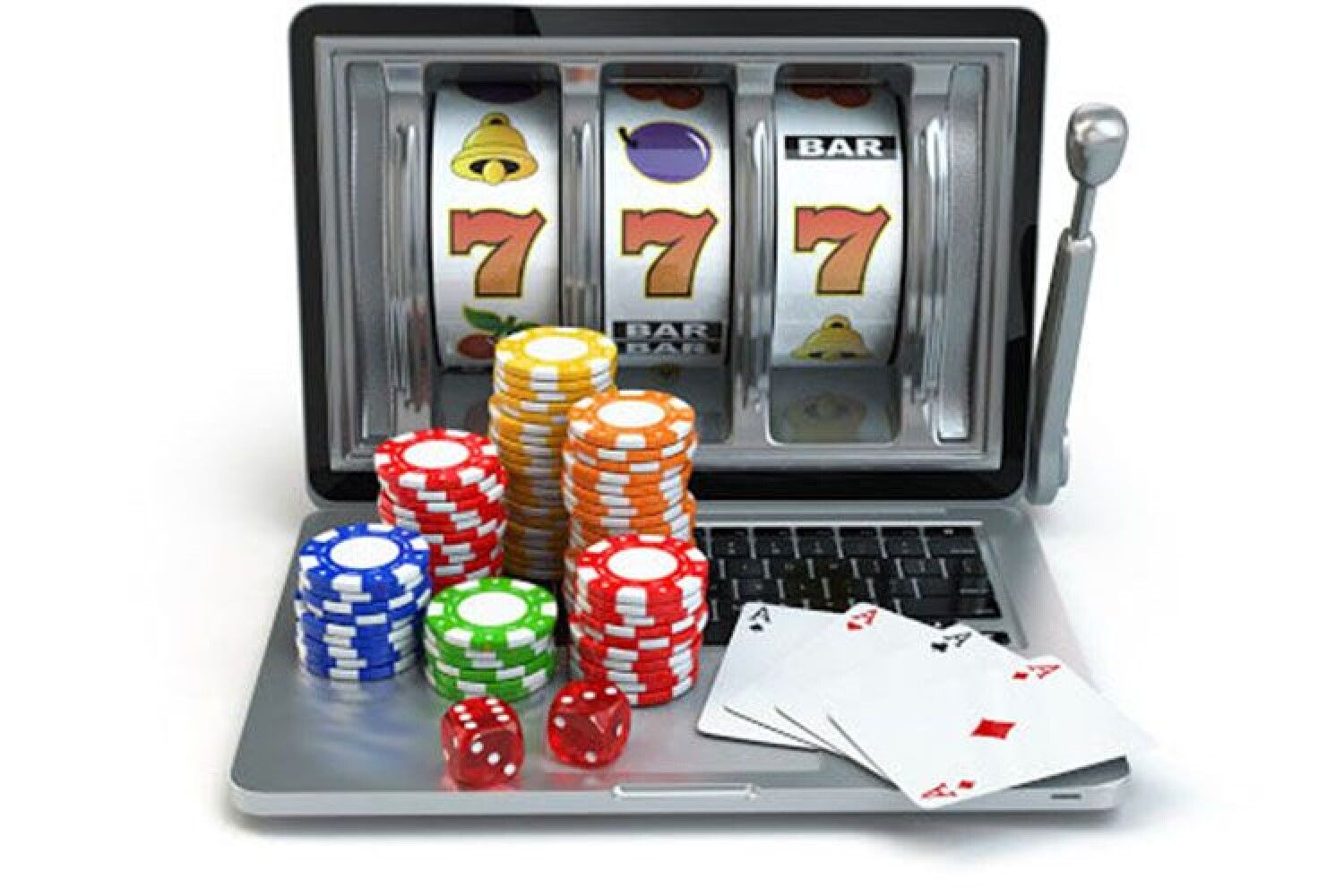
Exploring Resources for Responsible Gambling
For those looking to engage in gambling in a healthier manner, various resources exist to promote responsible gaming. Many casinos and online platforms provide information about responsible gambling, offering tools and guidelines to help individuals set limits and recognize potential signs of addiction. These resources aim to create a safer environment for all patrons, encouraging mindful participation in gambling activities.
Support organizations also play a vital role in raising awareness about gambling addiction and offering assistance to those in need. Helplines and support groups provide a confidential space for individuals to discuss their experiences, connect with others, and receive guidance from trained professionals. These platforms are essential in fostering a community that prioritizes mental health and well-being.
As the conversation surrounding gambling continues to evolve, it’s crucial for individuals to seek out these resources and prioritize responsible gaming practices. Understanding the psychological effects of gambling is the foundation for healthier engagement, allowing individuals to enjoy the experience without compromising their mental health or financial stability.